

What Happens if a Technician Discovers Hidden Structural or Mechanical Issues With My Car After They Begin Working?
When your car goes into the shop after an accident, you expect the repair process to be straightforward. However, some damage isn't visible until technicians begin removing parts and inspecting what's underneath. Finding additional problems during repairs is more common than you might think.
At Bill Penney Collision, Dent & Glass in Huntsville, AL, we understand how frustrating unexpected repairs can feel. Whether you're visiting us from Madison, AL, or Decatur, AL, knowing what happens when hidden damage is discovered can help you feel more comfortable throughout the repair process.
What Happens When Hidden Damage Is Found During Collision Repairs?
If a technician discovers additional structural or mechanical damage after repairs have started, the repair plan needs to be reevaluated. The goal is to identify the damage, explain what needs attention, and determine the appropriate next steps before completing the affected repairs.
Here's what typically happens
- The damage is documented. Technicians identify the additional problems and record their findings.
- The repair estimate is updated. Additional labor, replacement parts, or procedures may be necessary.
- Your insurance company may be contacted. If you're filing a claim, the updated estimate may need review.
- You'll receive an explanation. The repair facility should explain what was discovered and how it affects the original plan.
- Repairs move forward with the necessary approvals. The team can then address the additional damage and complete the remaining work.
This process helps prevent important issues from being overlooked simply because they weren't visible during the initial inspection.
Why Some Collision Damage Isn't Visible Right Away
A vehicle's exterior doesn't always reveal the full extent of damage caused by an accident. Even a relatively minor collision can affect components hidden behind bumpers, body panels, or other parts.
For example, a rear-end collision might leave a bumper with only a few scratches. Once the bumper cover is removed, technicians could discover damage to the reinforcement bar, mounting brackets, or surrounding structure.
Other commonly hidden issues include
- Bent structural supports or damaged mounting points
- Suspension components affected by impact
- Damaged wiring, connectors, or sensors
- Cracked brackets or broken internal fasteners
- Cooling system components damaged in a front-end collision
- Misaligned body panels caused by underlying structural movement
These problems aren't always detectable through a visual inspection alone.
That's why a thorough collision repair involves more than restoring your car's exterior appearance.
How Technicians Identify Hidden Structural and Mechanical Problems
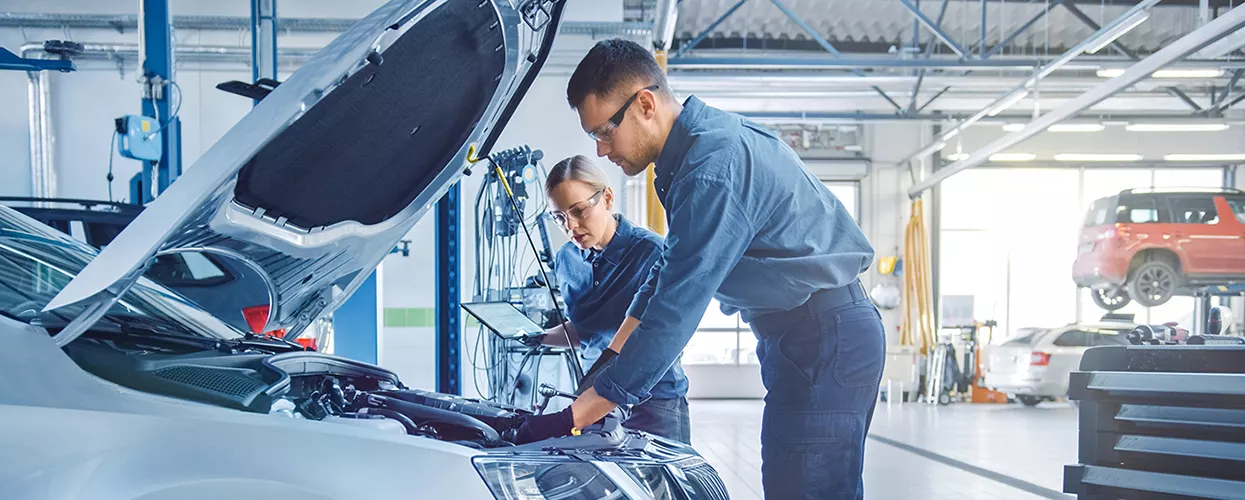
During collision repairs, technicians may need to disassemble specific areas of your vehicle to inspect the components underneath.
This process, sometimes called a teardown or disassembly inspection, provides a clearer picture of the damage.
Depending on the accident and vehicle, additional inspections may include
Structural measurements Specialized equipment can help determine whether important structural points remain within manufacturer specifications.
Mechanical inspections Technicians check affected suspension, steering, cooling, and related components for damage.
Diagnostic scans Electronic scans may reveal faults involving sensors, safety systems, or other vehicle electronics.
Component inspections Removing damaged panels allows technicians to examine parts that would otherwise remain hidden.
The type of inspection depends on the accident, the vehicle's design, and the manufacturer's recommended repair procedures.
How Hidden Damage Can Affect Your Insurance Claim
If your repairs involve an insurance claim, discovering additional damage may require what's known as a supplemental estimate.
A supplement documents repairs that weren't included in the original estimate.
For example, the original estimate might include replacing a damaged bumper cover. Once technicians remove that cover, they might discover a damaged impact absorber or support bracket.
Those additional repairs would be documented and submitted for consideration under the claim.
Your insurance company may need to review the supplement before authorizing additional covered work. Depending on the circumstances, this can affect the repair timeline.
It's important to understand that a supplemental estimate doesn't automatically mean every additional repair will be covered. Coverage depends on your policy, the cause of the damage, and the insurer's determination.
Why Repairing Hidden Damage Matters for Your Safety
A car can look perfectly repaired on the outside while still having problems underneath.
Structural components help manage collision forces, while mechanical systems affect your vehicle's handling and performance.
Ignoring damaged components could affect how your vehicle responds during normal driving or another accident.
Modern vehicles also contain sensors and electronic safety features that may require inspection, repair, or calibration following a collision.
The goal isn't simply to make your vehicle look like it did before the accident. It's to complete the necessary repairs according to the applicable manufacturer procedures.
What You Should Ask When Additional Damage Is Discovered
At Bill Penney Collision, Dent & Glass, we encourage drivers in Huntsville, Madison, and Decatur to understand their repair options.
If additional damage is discovered, consider asking
- What damage was found, and how was it identified?
- Is the damage related to the original collision?
- Does it affect the vehicle's safety or performance?
- Will the repairs require additional parts or time?
- Does my insurance company need to review the updated estimate?
Asking these questions can help you understand the situation and avoid surprises.
Frequently Asked Questions
Is it normal to discover more damage after collision repairs begin? ?
Yes. Some components are hidden behind body panels and cannot be fully inspected until disassembly begins.
Will hidden damage make my repairs take longer? ?
It can. Additional inspections, parts availability, and insurance approvals may affect the original completion timeline.
Does insurance cover damage discovered after repairs start? ?
It may, depending on your policy and whether the damage is related to the covered accident. Your insurer determines coverage.
Can I choose not to repair hidden damage? ?
You can discuss your options with the repair facility. However, leaving structural or safety-related damage unaddressed may make your vehicle unsafe to drive.
Get Help With Collision Repairs in Huntsville, AL ?
Discovering hidden damage doesn't have to leave you guessing about what happens next. Understanding the inspection process, supplemental estimates, and necessary repairs helps you make informed decisions.